
Where We Have Been - Europe - Czech Republic
Europe had been on our bucket list for years before we finally made it there. From the moment we arrived, the history captured us—walking streets people have walked for centuries, standing in places we’d only ever seen in movies or read about in books, and realising how much of the world’s story is layered into everyday life. It’s a place we never seem to get enough of, and it now sits very high on our list of destinations.
If you’d like to follow our journey in order, here’s our route—based simply on where we stayed: Rome, Florence, Nice, Barcelona, Paris, Berlin, Prague, Munich, Zurich, Venice, Milan, Athens, Istanbul.
Prague is an amazing city, with stunning old architecture—much of it Gothic—and a history you can genuinely feel as you walk around, with parts of the cityscape dating back well over 1,000 years.
Honestly, we hadn’t put Prague on the list because of its rich history, so discovering just how layered and beautiful it is was a very pleasant surprise.
Our visit began with a guided walking tour up to (and through) Prague Castle—recognised by Guinness World Records as the largest ancient castle/castle complex in the world, with origins in the 9th century. It’s also the official residence and workplace of the Czech President. And inside the complex, the ceiling in Vladislav Hall is certainly something to behold.
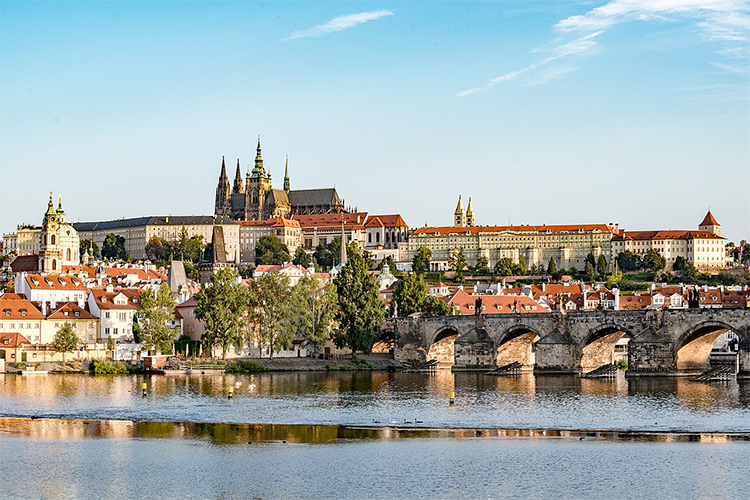
Prague Castle, the Charles Bridge and the Vitava River
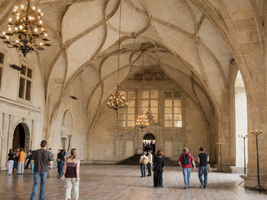
The ceiling of Vladislav Hall
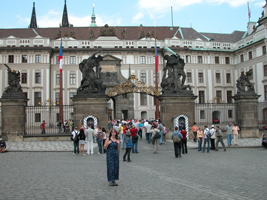
C @ Prague Castle
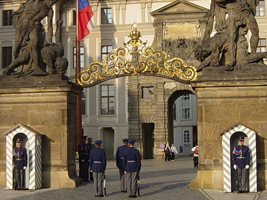
Changing of the Guard @ Prague Castle
Located within the Prague Castle complex is St Vitus Cathedral, with construction of the current Gothic cathedral having begun in 1344. It’s a breath-taking showcase of Gothic Architecture—and it’s also the third church on this site, following an earlier rotunda founded in the 10th century and a later basilica. Inside, it holds the tombs of many Bohemian rulers and several Holy Roman Emperors.
Also within the grounds is St George’s Basilica, founded around 920, making it one of the oldest surviving church buildings at Prague Castle. After taking our time to look around, watching the precision Changing of the Guard, and spotting some of the symbolism worked into the exterior, it was time to wander down Golden Lane—so named for the goldsmiths who lived there (though it’s also long been linked with legends of alchemy).
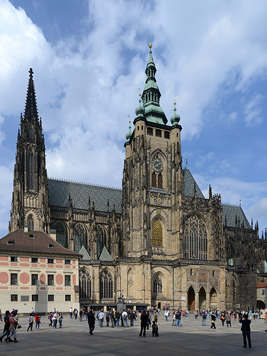
Saint Vitus Cathedral
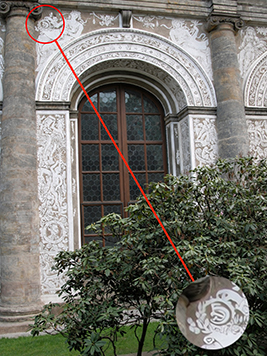
Soviet Era Symbolism Added to Prague Castle
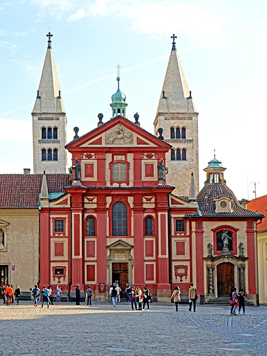
St. George’s Basilica
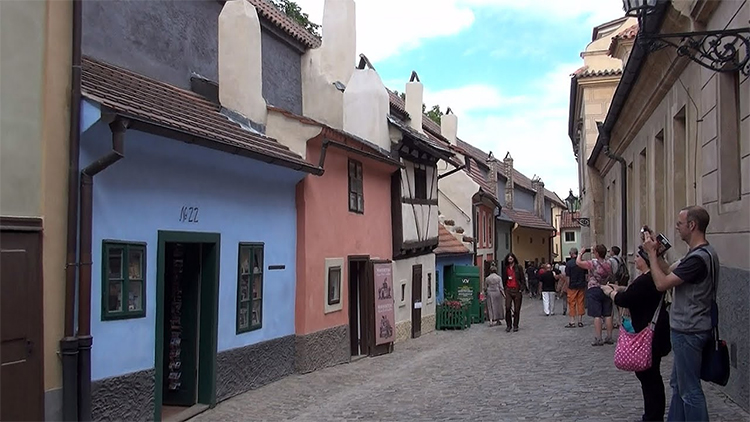
Golden Lane, the street of Alchemists
After exiting Golden Lane, we found ourselves crossing Charles Bridge over the Vltava River (it’s often misspelled as “Vitava”), passing beneath the line of statues that make the walk so iconic. At the Old Town end, we paused by the statue of King Charles IV—King of Bohemia and Holy Roman Emperor—before spilling out into the heart of the city and on toward Old Town Square.
Old Town is something to behold. Dominating the skyline is the Church of Our Lady before Týn, built in stages from the mid-14th to the early 16th centuries, its twin Gothic spires rising sharply above the square. Nearby you’re spoilt for churches (Prague has plenty), including St Salvator Church by the Klementinum near Charles Bridge. We also loved details like the House at the Minute, famous for its sgraffito façade (and as one of Franz Kafka’s former homes). And then, as a contrast to all that medieval grandeur, there’s the Municipal House—a relative youngster—whose construction began in 1905.
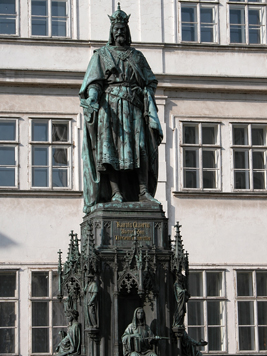
King Charles IV Statue
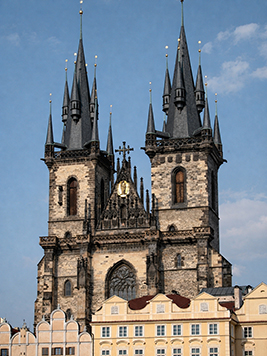
Church of Our Lady before Týn
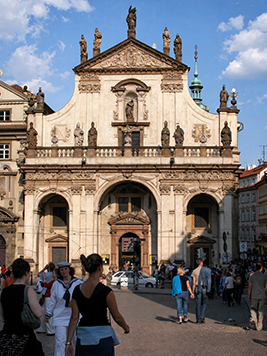
Church of St. Salvator Prague
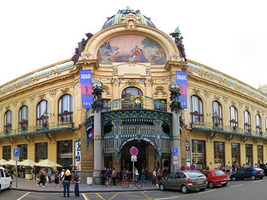
Municipal House
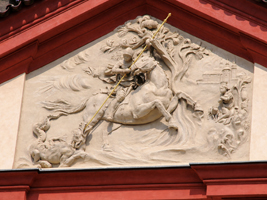
St. George’s Basilica
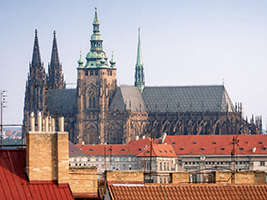
Prague Castle over roof tops
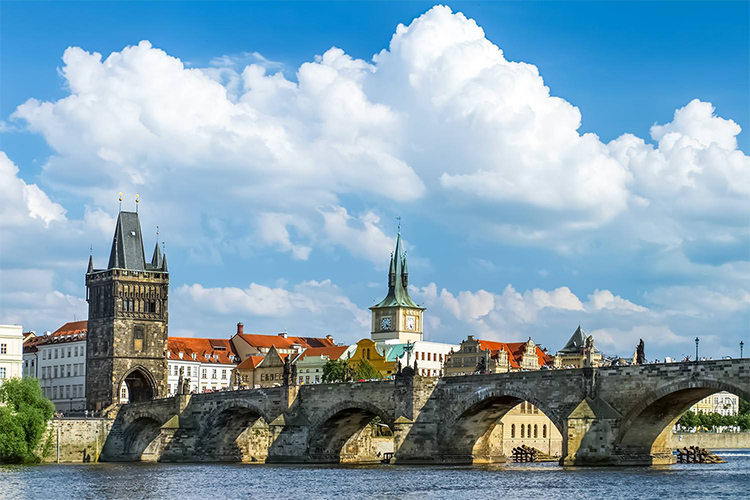
The Charles Bridge
At the end of our wanderings, we did what we always try to do when travelling—sample a local brew. We settled in with a Czech beer and a meal, relaxing and watching the Prague Astronomical Clock, parts of which date back to the early 1400s, as it drew a steady crowd with each passing hour.
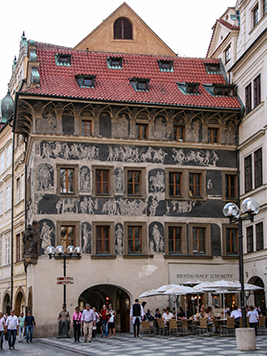
House at the Minute
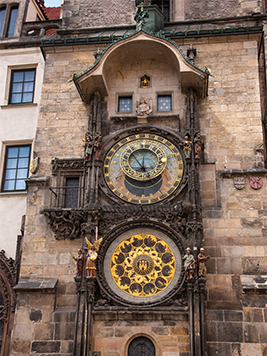
Astronomical Clock
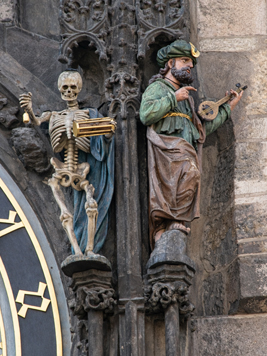
Figures on the Astronomical Clock
Coming from a country where water travel largely means coastal shipping, it’s easy to overlook just how significant rivers are in much of Europe. The Vltava River flowing through Prague—complete with its weir and lock system—was something entirely new to us, and fascinating to watch in action.
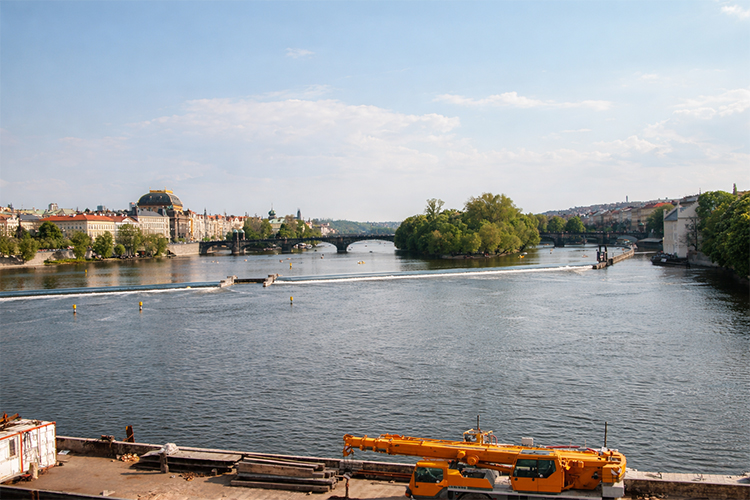
The Vitava River with The Charles Bridge to the left, the Weir, Slovansky Island and the Lock.
Tip: Prague—especially Prague Castle and Old Town—is best explored on foot. If you can, start with a walking tour so you really understand what you’re seeing (and how it all fits together).
Highlight: Quite simply, wandering through the Old Town and marvelling at the architecture.
Memory: We had a bar owner get properly annoyed with us when we tried to pay our bill in euros. He demanded local currency—the koruna—which we didn’t have any of. In the end he accepted the euros (it was that or free beers… capitalism won).
Closing thought: Prague is a special place, packed with history that felt genuinely different to what we experienced elsewhere. It’s absolutely somewhere we’d love to return to—and spend more time.
We’ve been lucky over the years to travel more than many—though nowhere near as much as we still aspire to. The world is a big place, and there are so many destinations left to discover: places we haven’t seen yet, places we want to explore more thoroughly, and old favourites we can’t wait to reconnect with.
Elsewhere on Crows on the Go, you’ll find:
• more about our travels and the places we’ve been
• our thoughts (and, in some cases, tips) on those destinations
• the places that have become “special” to us
• and more!