
Where We Have Been - Europe - Italy
Europe had been on our bucket list for years before we finally made it there, our first true long-haul journey—more than a day of travel with stopovers from Auckland to Rome. From the moment we arrived, it captured us. It’s a place we can never seem to get enough of, and it now sits very high on our list of destinations we’re determined to return to.
We flew into Rome and, after dropping our luggage, immediately jumped on an open-top bus tour to get a feel for the layout and work out where we wanted to spend more time—something we’ve always found a useful way to start in a new city. It was a bit of a surprise when the bus stopped mid-tour and we were told it was pausing for the driver’s lunch break and wouldn’t resume for some time. With no real idea where we were, rain setting in, and nothing to manage it (umbrella sellers seemed to appear out of nowhere), it wasn’t exactly an ideal introduction to how Italy operates.
So we engaged our feet instead and explored Rome and its ancient wonders on foot: the Colosseum, the Roman Forum, the Spanish Steps, the Trevi Fountain, and the Pantheon—where we finished the day with an evening meal just outside.
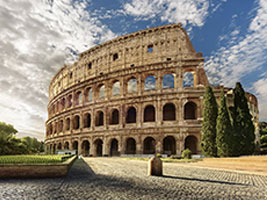
The Colosseum
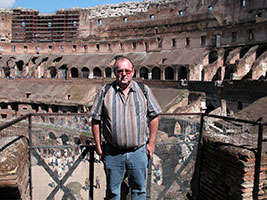
D @ The Colosseum
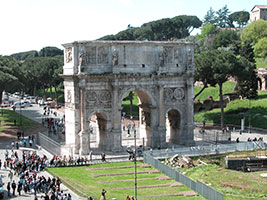
Arch of Constantine
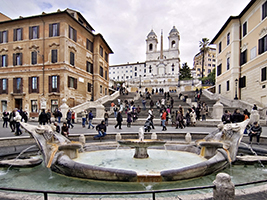
The Spanish Steps
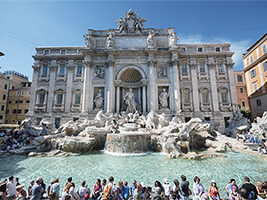
The Trevi Fountain
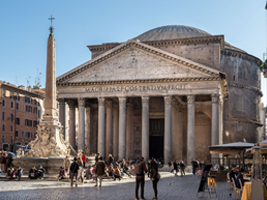
The Pantheon
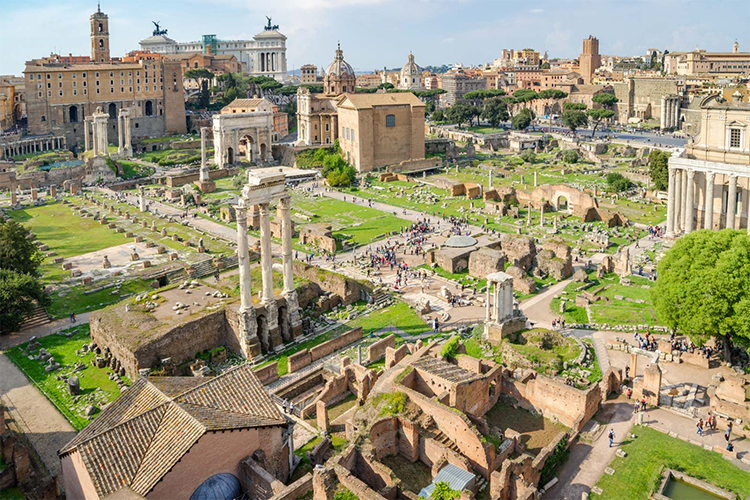
The Roman Forum from Palatine Hill
While in Rome, a trip to Vatican City feels like a must—Catholic or not—because it’s simply breathtaking. In one way, it was unfortunate that we arrived while the Cardinals were in Conclave to elect a new Pope after the death of Pope John Paul II, which meant the Sistine Chapel was off-limits. In another way, it was the opposite of unfortunate, because we ended up experiencing something truly special.
We marvelled at the sheer scale of the media presence, wandered in awe through St. Peter’s Basilica, and took the chance to send a postcard from the Vatican Post Office to Carolyn’s mum— a devout Catholic. Afterwards, we sat down on one of the many seats in St. Peter’s Square to rest, soak up the atmosphere, and decide what to do next.
When we stood to move on, we hesitated… then sat back down again. Minutes later, the large screen showed white smoke rising from the Sistine Chapel chimney, and the crowd erupted. As the bells began tolling, Carolyn rang and woke her mum back in New Zealand and asked, “Can you hear the bells?” Then she had the pleasure of telling her she had a new Pope.
Of course, we stayed. We watched Pope Benedict XVI appear on the balcony and bless the multitudes gathered below.
To this day, we still smile when we remember the nuns from Mother Teresa’s order—the Missionaries of Charity—sitting behind us and, unable to speak English, chanting the wrong name for the new Pope.
When we finally left Vatican City, we were moving against a tide of people running through the streets of Rome, tears streaming down their faces as they hurried towards the Vatican. The emotion in the air was indescribable—one of those moments you can only truly understand if you’ve been there.
Years later, David experienced something similar—though not as intense—when he was in London while Queen Elizabeth II was lying in state and during her funeral.
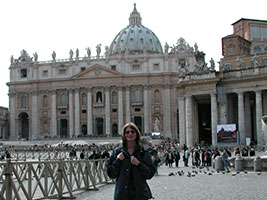
C @ St. Peter’s Square
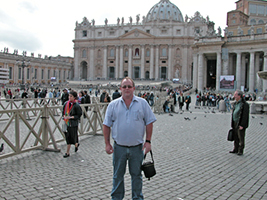
D @ St. Peter’s Square
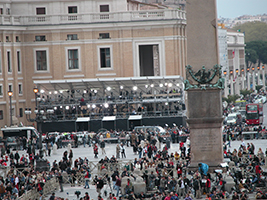
The World’s Media Watch
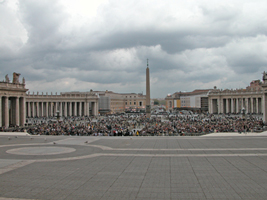
The People, the World & the Media Wait
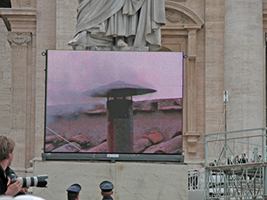
The White Smoke from the Sistine Chapel chimney
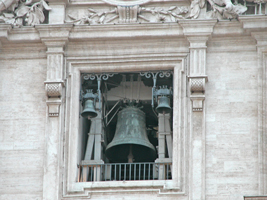
St. Peter’s Bells announce the new Pope
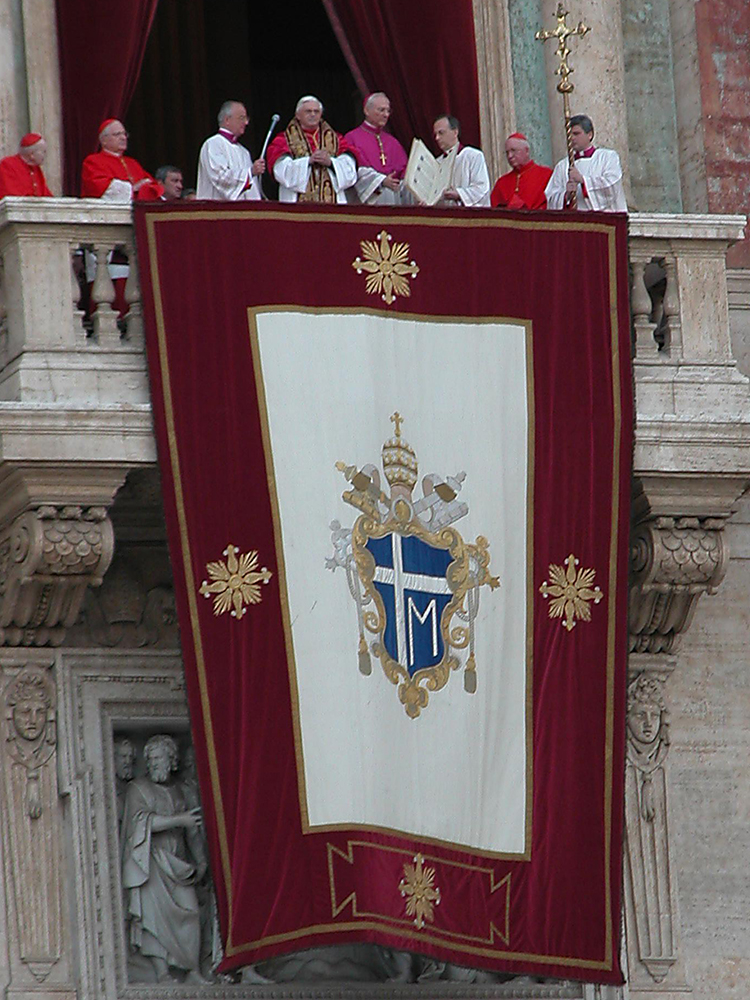
Pope Benedict XVI’s First Blessing
We took a fascinating guided day trip from Rome to Ostia Antica, an ancient Roman city dating back to around the 7th century BC. Once located at the mouth of the Tiber River, Ostia was Rome’s port city and a vital hub of trade and everyday life.
Wandering through the remarkably well-preserved ruins was endlessly interesting. The mosaics alone were worth the visit—many of them acting as ancient signposts, showing exactly what business once operated there. We learned about what were essentially the world’s first takeaways, with communal kitchens providing cooked food because having ovens in private homes was considered too risky. It was a wonderfully tangible glimpse into daily Roman life, and far easier to imagine people actually living and working here than in some of Rome’s grander, more monumental sites.
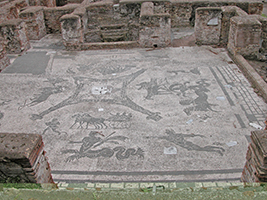
A Mosaic floor @ Ostia Antica
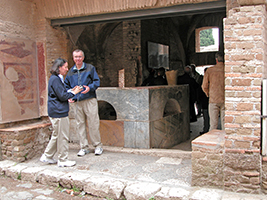
Roman Takeaways @ Ostia Antica
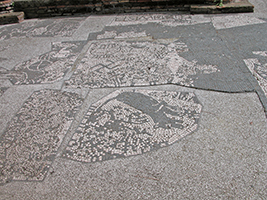
A Mosaic floor @ Ostia Antica
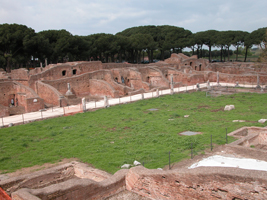
Ostia Antica
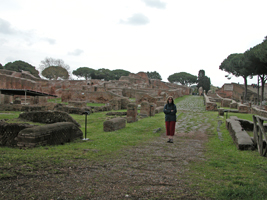
C @ Ostia Antica
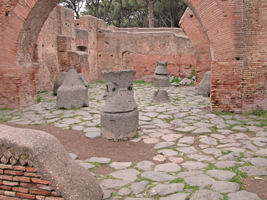
Milling Area? @ Ostia Antica

Ostia Antica
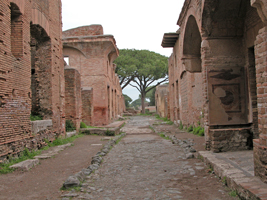
Ostia Antica

Ostia Antica
From Rome we caught a train to Florence, where we spent quite some time doing what you’re meant to do in Florence: looking up, standing in front of masterpieces with your mouth slightly open, and wandering until your feet protested.
We explored in and around the Duomo di Firenze—an astonishing feat when you think it took around 140 years to complete. We also visited the Galleria dell’Accademia di Firenze to see Michelangelo’s David (with the replica outside as a handy “appetiser”). The detail is unreal—one of those moments where you realise photos don’t even come close. We strolled across the shop-lined Ponte Vecchio, popped into the Leonardo da Vinci Museum to marvel at the brilliance on display, and finished with the Pitti Palace.
This was our first experience of trains in Europe, and we quickly became converts. Armed with a Eurail Train Pass, we clocked up a lot of miles and learned an important lesson: when the timetable says 12:56, it means 12:56—don’t casually round it up to 1:00. Trains turned out to be one of the best ways to travel: low hassle, great views, and nobody has to concentrate on driving.
From Florence it was back on the rails for a quick detour to Pisa to see the famous Leaning Tower, before heading on to Barcelona—via an overnight stop in Nice, which (for us, at least) was a bit overrated. Enough said.
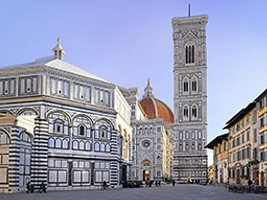
Duomo di Firenze

Duomo di Firenze
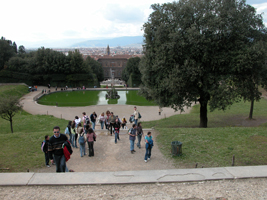
Pitti Palace
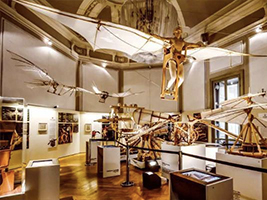
Leonardo da Vinci Museum
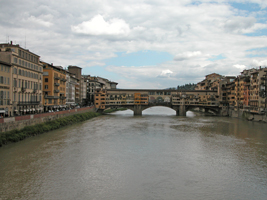
Ponte Vecchio
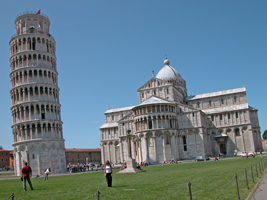
C & Leaning Tower
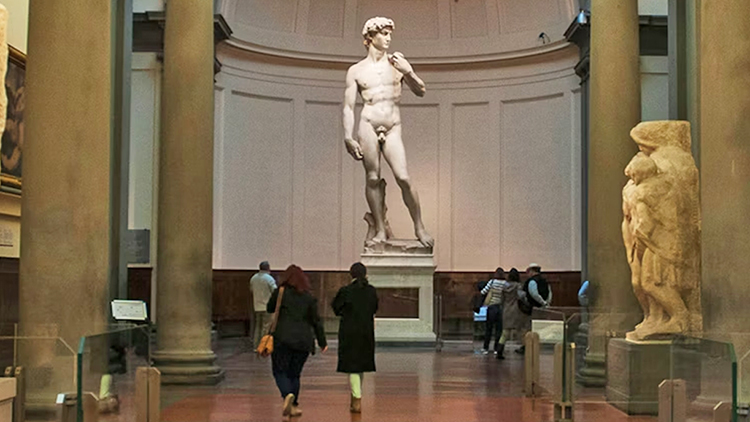
Michelangelo’s David
Once we’d explored more of Europe, we returned to Italy by train from Austria, with our first stop the magical city of Venice.
After dropping our backpacks at our accommodation—conveniently close to the train station and the Grand Canal—we did what you do in Venice: set off on foot with no real plan except to get happily lost.
Yes, Venice is a little tired, and slowly sinking into the water. At high tide, the lower levels of many buildings flood. But it’s still one of our favourite places in the world. It’s pure magic. Paris has its own kind of magic too, but by comparison it feels polished and sanitised. Venice is more like an opulent old lady determined to keep her elegance intact—succeeding, even if the signs of age can’t be completely concealed.
The best way to explore is simply to wander the narrow lanes—no cars, no traffic noise—because around any corner you might stumble onto something extraordinary: the Rialto Bridge, Piazza San Marco, St. Mark’s Basilica, the Doge’s Palace, quiet canals, tiny cafés, gondolas gliding past as if they’re part of the scenery. And if you want to go further afield, you can hop on a water taxi (or vaporetto) to the islands of the lagoon, like Murano, or Isola di San Michele—Venice’s principal cemetery.
We were travelling by rail with backpacks and had promised each other we wouldn’t buy any mementos. That vow held for weeks… right up until Venice.
In a little lane near Piazza San Marco we found a young Italian man who made and hand-painted carnival masks. He was getting married later that year and planned to honeymoon in New Zealand. Needless to say, two masks were purchased. One trip to the post office—an experience in itself—and our first “we swear we won’t buy anything” souvenirs were on their way home to New Zealand.
With the memento drought officially broken, the next day saw us on Murano in the drizzle, wandering past glass blowers with the place almost to ourselves. We stepped into a shop and were greeted by an extremely enthusiastic salesman—no other customers in sight, which suggested it was shaping up to be a lean day. After a good chat and a browse, he took us upstairs to where the special pieces were displayed, including works by Murano master glassblowers. And that’s how a glass-blown horse infused with gold—by a master named Zanetti—ended up boxed and shipped back to us in New Zealand.
Venice really is one of those places that lives up to its reputation. It’s magical, and very high on our must-revisit list.
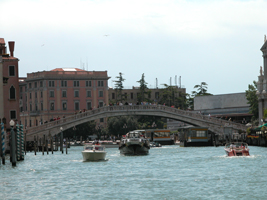
The Grand Canal
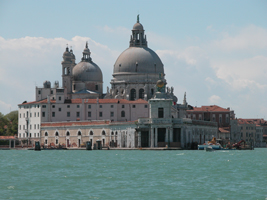
Basilica Santa Maria della Salute
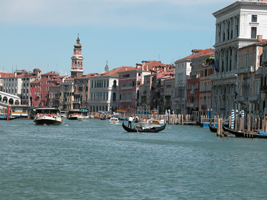
The Grand Canal
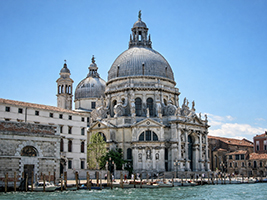
Basilica di Santa Maria della Salute
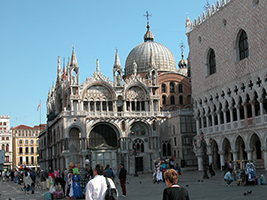
St. Mark’s Basilica from Piazza San Marco
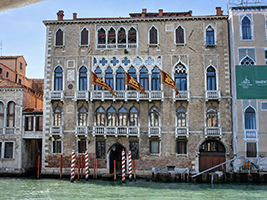
Palazzo Cavalli‑Franchetti from the Grand Canal
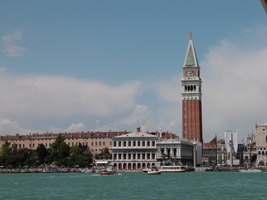
The Doge’s Palace from the lagoon
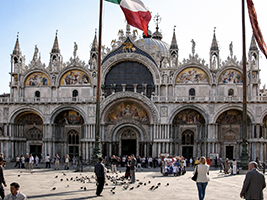
St. Mark’s Basilica
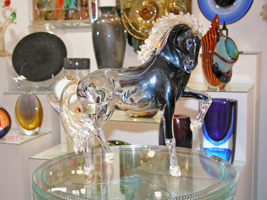
Our Zanetti Glass Horse
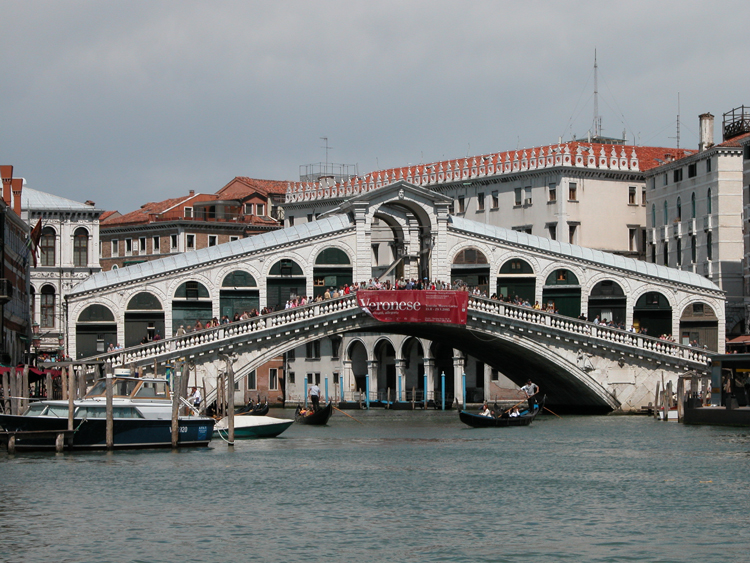
The Rialto Bridge from the Grand Canal
Tip: The rumours about how Italians drive are all true—fast, assertive, and seemingly able to park anywhere. But when it’s time to cross the road, don’t panic. Wait for a small gathering at the curb, and sooner or later someone will step out. Strangely enough, the traffic stops.
Highlight: As the first “old world” place we’d ever visited, the sheer weight of history was awe-inspiring. Witnessing the Pope being elected—something we’ll probably never experience again—was extraordinary. But the highlight, without question, was the magical place that is Venice.
Memory: Walking where people have been walking for thousands of years.
Closing thought: Italy is one of those places we’ll always feel we’ve only scratched the surface of—and we need to spend much more time exploring it.
We’ve been lucky over the years to travel more than many—though nowhere near as much as we still aspire to. The world is a big place, and there are so many destinations left to discover: places we haven’t seen yet, places we want to explore more thoroughly, and old favourites we can’t wait to reconnect with.
Elsewhere on Crows on the Go, you’ll find:
• more about our travels and the places we’ve been
• our thoughts (and, in some cases, tips) on those destinations
• the places that have become “special” to us
• and more!