
Where We Have Been - NZ - Taranaki Region
We won the lottery just by being born—and getting to live—in a stunning part of New Zealand: Taranaki, with the majestic Mount Taranaki (Mount Egmont) presiding over everything. It’s one of those places where you really can ski on the mountain in the morning and finish the day watching the sun drop over world-class surf breaks in the afternoon.
We’ve explored pretty much all of our beautiful home country, from Cape Reinga in the far north to Milford Sound in the far south (David has even dived with the Great Whites off Stewart Island).
As we’ve travelled so widely around our home country, we’ll cover New Zealand region by region, sharing what we consider some of the highlights.
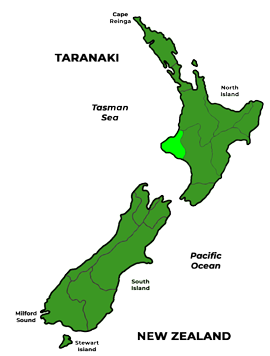
Taranaki was home for both of us, so we know it better than anywhere else on the planet. We were born and bred in “the Naki” (as the youngsters call it), left for university in Palmerston North, then came back to start our working lives. We took off again later—without a lot of regret, if we’re honest—because the big wide world was calling. But work has a way of nudging you home, and after some time away we found ourselves back where it all started.
Looking back, small-town rural New Zealand is a brilliant place to grow up. We had space, freedom, and plenty of safe places to roam. But as we got older, our expectations grew too. The first time we left as adults, we were genuinely frustrated by how quiet New Plymouth could feel—especially when the city (population just over 55,000) seemed to shut up shop after Sunday lunch and finding a café for a coffee (or tea, in David’s case) felt weirdly hard. Thankfully, both we and the region have changed since then. There’s more life in town nowadays, more good food, more choice, and it feels like it’s not just us who matured.
Of course, the dominant feature of Taranaki is Mount Taranaki (Mount Egmont). It rises out of the ring plain with that near-perfect cone shape and, like it or not, it rules the skyline. It’s reportedly the second most symmetrical cone volcano in the world (Mount Fuji takes the crown), and once you’ve seen it on a clear day you’ll understand why people get a bit obsessed. It’s also worth remembering it’s dormant, not extinct, with its last eruption in 1856.
There are plenty of tracks worth a day walk—or a longer tramp—with DOC huts if you want to make a proper trip of it. A decent number of people reach the summit each year (1,966 metres above sea level), but the mountain deserves respect. The weather can change fast, and people sometimes underestimate it, head up underprepared, and don’t come back.
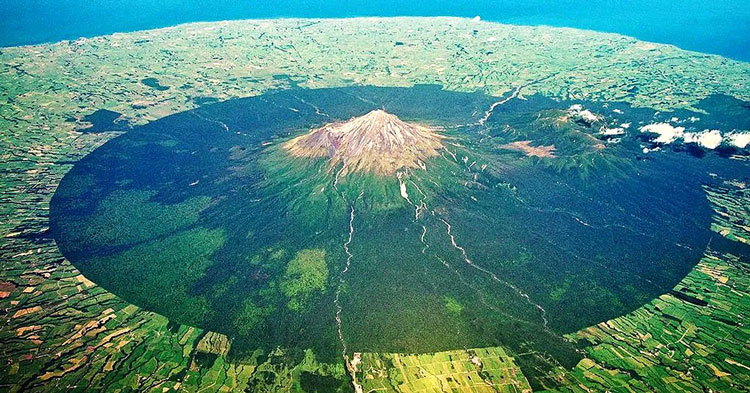
Mount Taranaki from the air and it’s circular reserve
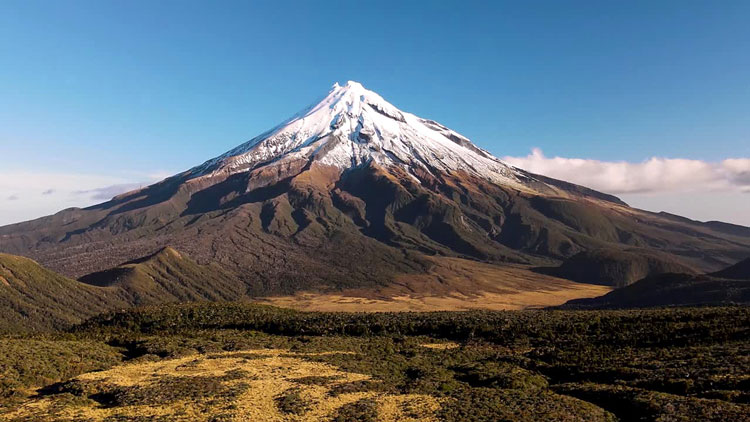
Mount Taranaki’s near perfect cone shape
There’s also a ski field on the mountain—Manganui—although it’s not in the same league as the bigger South Island fields, or even Tūroa and Whakapapa on Mt Ruapehu (which you can sometimes see in the distance on a good day, and under four hours away by road).
The suspension bridge across the Manganui Gorge, accessible via a short walk from the car park near the North Egmont Visitor Centre, is worth a look—and worth crossing too if you’re okay with heights. It’s the route used to access the ski field in winter, but it’s also well worth visiting when there’s no snow, just for the views and the slightly “adventurous for free” feeling of the span.
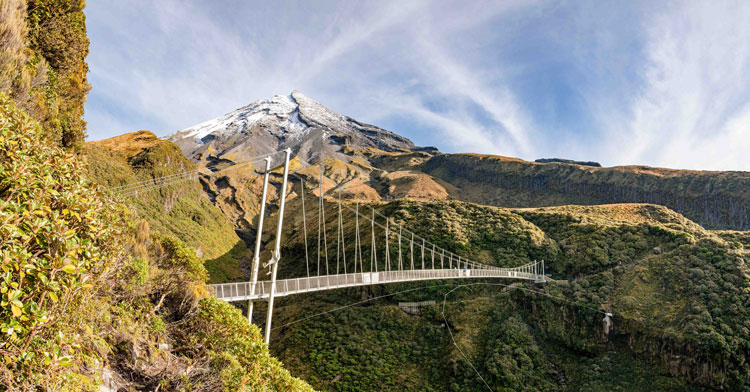
Manganui Gorge suspension bridge
Getting up onto the mountain is easy enough with a few sealed drive-up options: North Egmont Visitor Centre (via Egmont Village), Stratford Mountain House (from Stratford) where Carolyn spent time working while at high school, and Dawson Falls further south. And if you feel like heading up the mountain side closer to New Plymouth, a drive through the Pouakai Range is a pleasant excursion. If you’re into flowers—and it’s the right time of year—a stop at Pukeiti to see the rhododendrons is unlikely to disappoint.
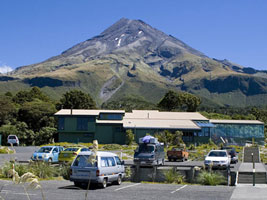
North Egmont Visitors Centre
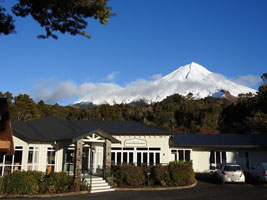
Stratford Mountain House
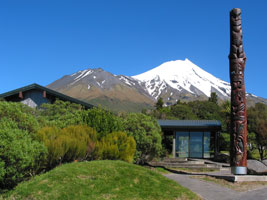
Dawson Falls Visitors Centre
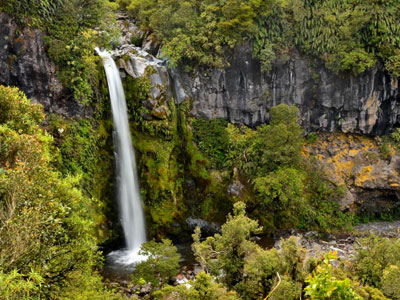
Dawson Falls
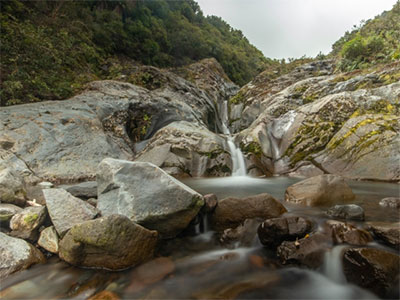
Wilkies Pools
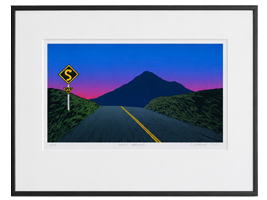
Our Peter Lambert Mt Taranaki Print
That’s probably enough about Mt Taranaki—but before we wrap up, we should admit we’re just like everyone else: we’ve got artwork of the mountain on our wall to remind us of home. That’s the influence “living under the mountain” has on you. It gets into your bones.
One of our favourites is a screen print from the 1980s by Taranaki artist Peter Lambert. When we bought it from him at his studio, he told us it was a bit of a statement about where he was at in life—coming up on 45, not really knowing what was over the hill or around the bend. That landed with us straight away.
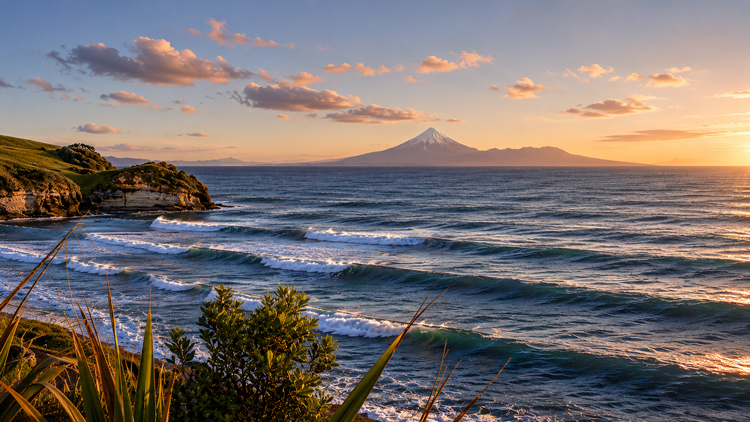
One of our favourites views of Mount Taranaki (Mount Egmont) – from near Mokau around an hour North
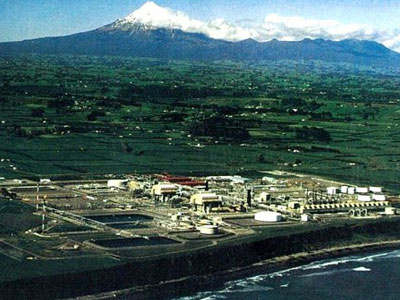
New Zealand Synfuel plant
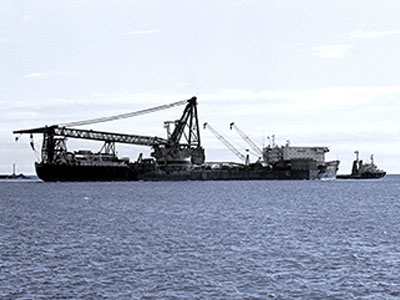
Blue Whale at Port Taranaki
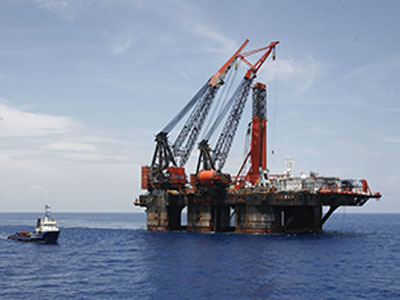
Balder

Mighty Servant 2 with USS Samuel B. Roberts, a guided missile frigate
The only city in Taranaki is New Plymouth, sitting right on the coast. It has a few things that are genuinely worth your time—especially the Coastal Walkway, which runs from Ngāmotu Beach (located within Port Taranaki) for more than 13km out to Bell Block on the eastern edge of town.
Near the start, by the Yacht Club, there’s a nod to Taranaki’s industrial side: a nodding neddie (or nodding donkey both common nicknames for a pumpjack or beam pump, the surface mechanism used to pump oil from a well) that’s been working away for around 150 years. Keep heading east and you’ll pass near the Moturoa Oilfield Beam Pump Memorial—a small but interesting reminder that Taranaki’s story has always been more than just surf, sunsets and the mountain.
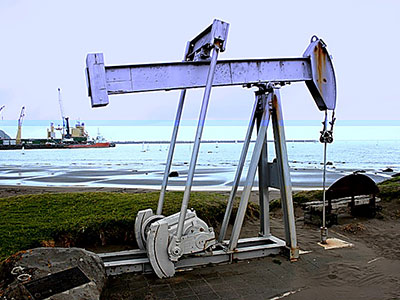
Moturoa Oilfield Beam Pump Memorial
Heading towards the city, if you’re really lucky you might spot a little blue penguin—and it’s not uncommon to see a New Zealand fur seal or two either.
As the CBD comes into view on the right, you’ll spot Puke Ariki, the local museum, which is well worth a visit. Just beyond that is Len Lye’s Wind Wand, a 25-metre kinetic sculpture that’s become one of those New Plymouth landmarks you can’t help but notice.
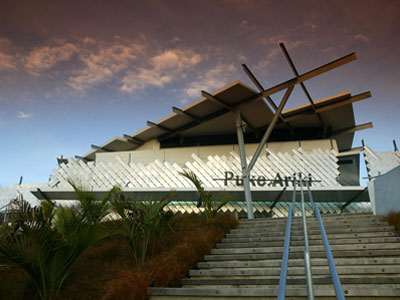
Puke Ariki Museum
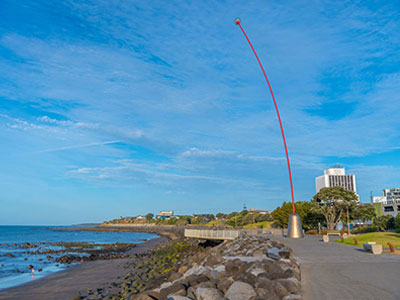
Len Lye’s Wind Wand on the Coastal Walkway
Len Lye was a New Zealand artist best known for his kinetic work. He wasn’t a New Plymouth native, but he loved his connection with the local community so much that he donated his collection to the Govett-Brewster Art Gallery. Locals eventually recognised both his generosity and the way his work brought something genuinely different to the city, and the result is the Len Lye Centre—an architectural statement in its own right. It’s definitely worth a visit, especially because the kinetic sculptures aren’t just something you look at—you experience them. Some of them move with a presence you can almost feel, and yes, you can hear them too (works like Storm King make sure of that).
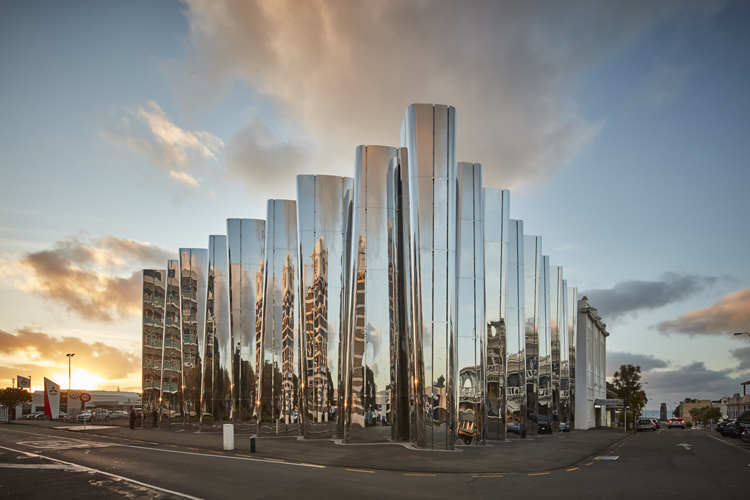
The Len Lye Centre and Govett-Brewster Art Gallery
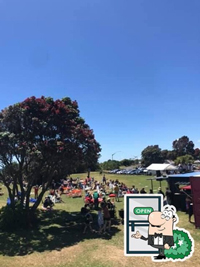
Paris Plage @ East End Beach
Leaving the CBD and continuing east, you’ll reach East End Beach and—if it’s the right time of year—one of our favourite “kick back and relax” spots on a sunny Sunday afternoon: Paris Plage. It’s hard to beat a drink and a pizza while you sink into a lounger or bean bag on the grass, often with a bit of music in the background.
Not much further on you’ll pass Fitzroy Beach and reach the mouth of the Waiwhakaiho River, along with the architectural delight that is the Te Rewa Rewa Bridge. Cross the bridge and keep going. The Coastal Walkway really is one of the highlights of New Plymouth.
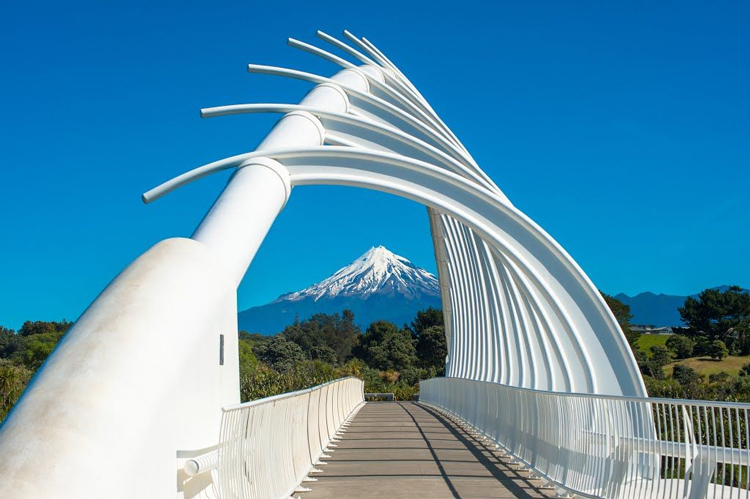
Mt Taranaki through the Te Rewa Rewa Bridge on the Coastal Wakway
Another favourite in New Plymouth is Pukekura Park. Some people know it as a filming location for The Last Samurai (Tom Cruise and all that), but it’s really much more than a movie backdrop. It’s simply a great place to wander on a good day—quiet paths, big trees, plenty of colour in the gardens, and those ponds and the ever present ducks and swans (don’t forget to feed them).
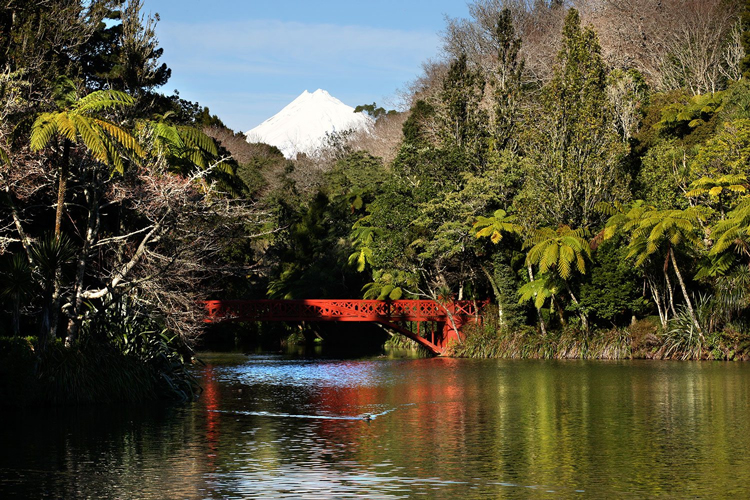
The type of picture of Pukekura Park most often seen on a postcard
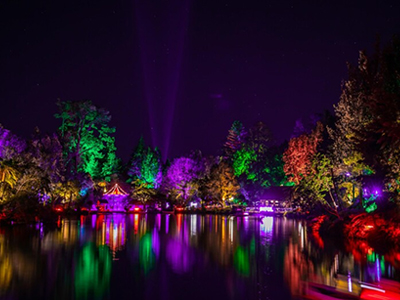
Festival of Lights
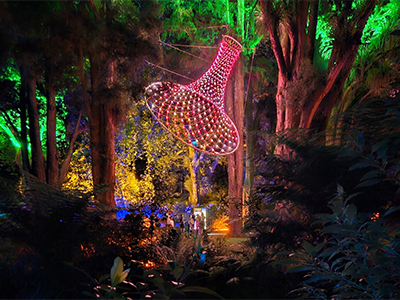
Festival of Lights
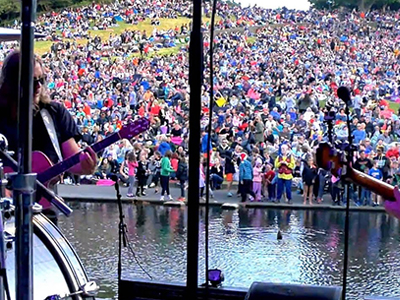
The Bowl of Brooklands Lake
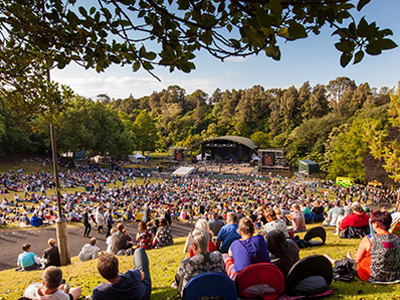
The Bowl of Brooklands
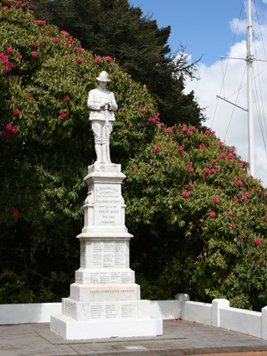
Inglewood War Memorial
Leaving New Plymouth, if your destination is south towards Wellington—and you’ve got the time—it’s almost mandatory (in our view) to take Surf Highway 45 (SH45) and go “around the mountain”.
Yes, SH3 is faster and it runs through our home towns of Inglewood and Stratford, but it’s nowhere near as scenic.
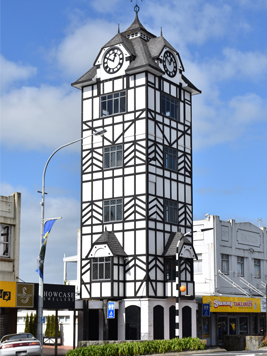
Stratford Glockenspiel
Start by heading out to Port Taranaki and follow Centennial Drive past the base of Paritutu Rock, which you can climb and is one of the Sugar Loafs (the remains of an old volcanic cone). Out to sea you’ll also spot the rest of the Sugar Loafs. You’ll go past Back Beach, where we’ve spent many a day, and where you can sometimes stop and watch the hang gliders launching off the cliffs.
From there, keep following the coast through the tank farm before the road turns inland and you pop out onto SH45 at Ōmata.
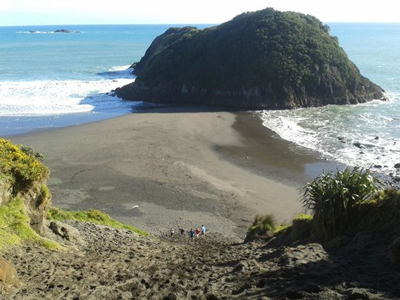
Back Beach & a Sugar Loaf Island
As you progress you’ll come across the seaside town of Ōakura and Butler’s Reef, where we’ve ended up at more than a few musical nights over the years—it’s one of the places on the pub gig circuit for bands.
Further around the mountain, lots of the side roads give you a chance to duck down to the coast and find those wild, often empty west coast beaches. If you’re into surfing, you’ll recognise names like Kumara Patch and Stent Road. We’ve never been surfers, but we’ve spent plenty of weekends in our younger years doing the next best thing—kicking back, walking the dogs, wandering the beaches, and riding our motorbikes kilometres along the beach. Sometimes these outings even stretched into the night, with a driftwood fire for atmosphere, and Ahu Ahu Road Beach was a regular “let’s escape from it all” place for us.
And if you head down Cape Road, you’ll reach the Cape Egmont Lighthouse—which has its own quirky history. It was originally built in London, first installed near Wellington, and later relocated to the Cape in the late 1800s.
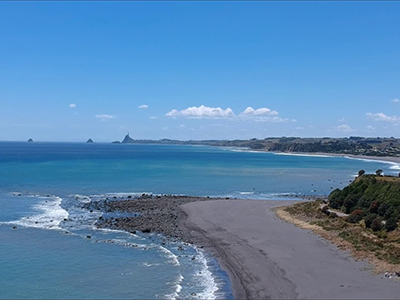
Ahu Ahu Beach with the Sugar Loafs in the background
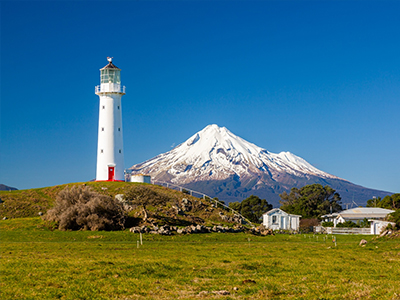
Cape Egmont Lighthouse
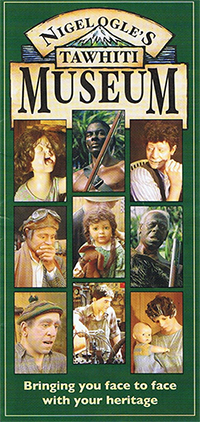
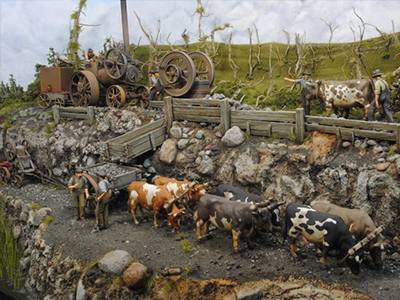
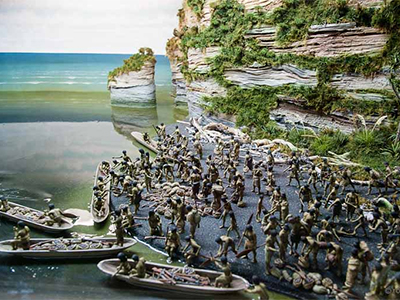
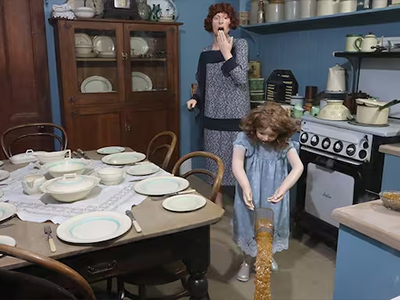
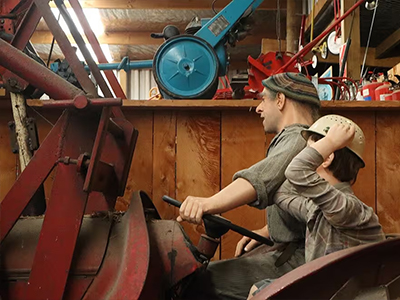
A place in Taranaki that’s worth a special mention is the Tawhiti Museum, just north of Hāwera. Some people’s passions—“obsession” almost feels like the wrong word—are genuinely awe-inspiring, and Nigel Ogle, a former art teacher’s, attention to detail, along with his very kiwi Number 8 Wire Ingenuity, is hard to fully appreciate until you’re standing there looking at what he’s created. And then there are the life-sized, eerily realistic mannequins—the kind that make you do a double-take because they look like real people caught mid-moment.
What makes it even more remarkable is how much of it he’s done off his own back—largely with his own hands and without outside funding. If you’ve got the time, it’s absolutely worth a visit. You’ll marvel at some parts, smile at others, probably shake your head more than once, and it’s pretty hard to walk away without feeling moved in some way by what one person has managed to build.

A Tawhiti Museum Exhibit
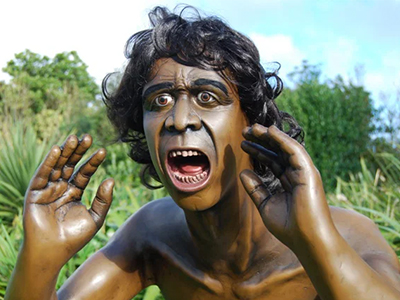
A Tawhiti Museum Exhibit
A Tawhiti Museum Exhibit
A Tawhiti Museum Exhibit
A Tawhiti Museum Exhibit
A Tawhiti Museum Exhibit
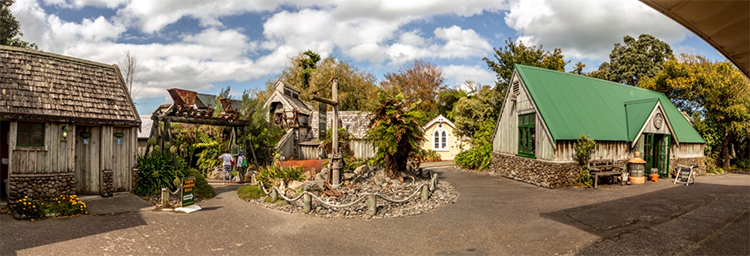
Tawhiti Museum
We could say much more about our home region, but we’ll finish with somewhere that’s technically not part of Taranaki.
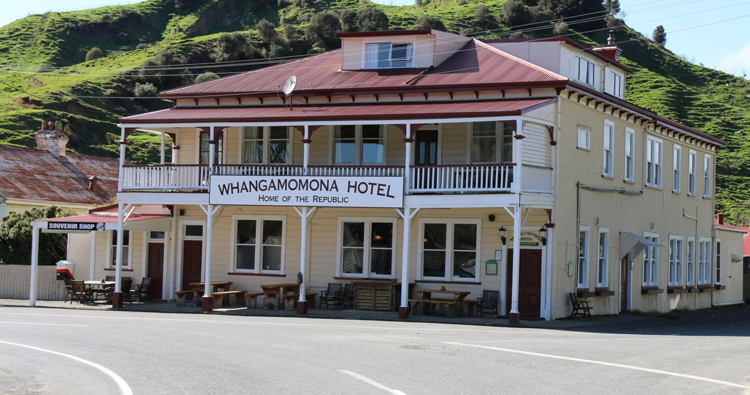
Back in 1989, the powers that be decreed that Whangamōmona was to be included in the Manawatū–Whanganui Region. As so often happens, the bureaucratic plan didn’t quite match what the locals wanted. In this case, people objected—many preferred to be considered part of Taranaki—so they declared themselves the “Republic of Whangamōmona.” These days they hold Republic Day celebrations that people travel from far and wide to attend, purely for the fun of it. And the presidential elections feel like a continuing tongue-in-cheek protest, with past winners including Billy the Kid (a goat), Tai the poodle, and Murt the turtle.
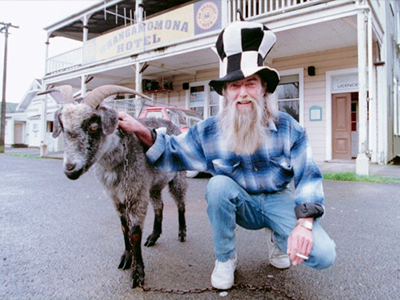
Whangamōmona President Billy the Kid and his PA
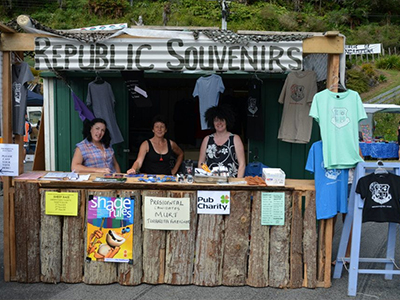
Whangamōmona Republic Day
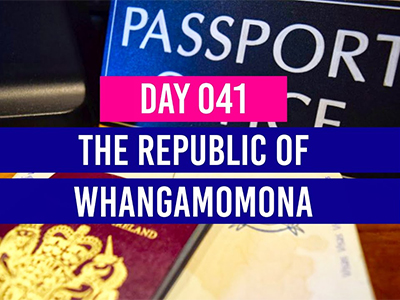
Whangamōmona Republic Passports Here!
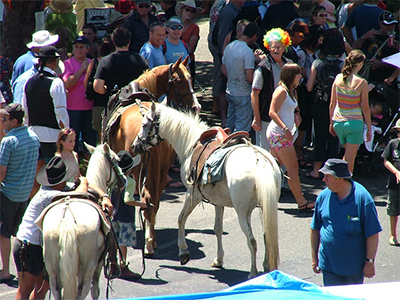
Whangamōmona Republic Day
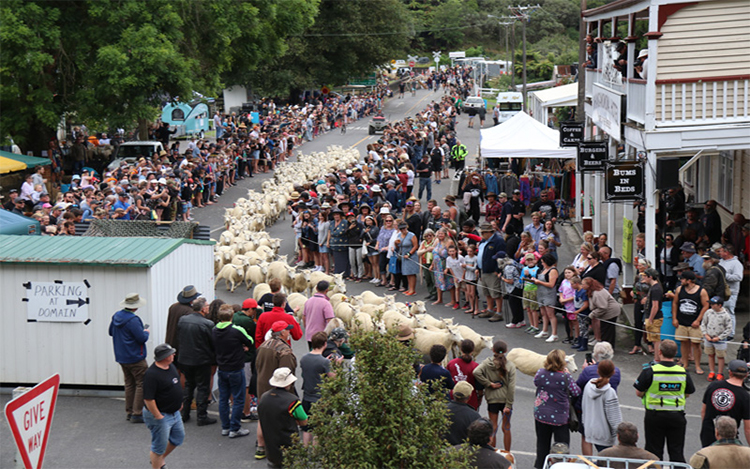
Whangamōmona Republic Day
David has fond memories of the area. He spent many happy hours riding his dirt bike through the abandoned back roads, exploring deserted properties, and even trekking through to the Whanganui River. (Many farms in the area were made available to returned servicemen after WWI. They toiled to turn steep, bush-clad land into productive farms, only to have the Great Depression crush their dreams.) Since then, some roads have been restored and some of the farmland reclaimed.
At high school, one of David’s classmates’ families owned the Whangamōmona Hotel, and there were school trips on the railcar out that way. One trip ended up being especially memorable: the railcar overshot a remote station where it was meant to stop and drop off supplies including the bread, milk, newspapers and the mail. The two rail workers following behind on a jigger had to jump off and push their jigger back down the track in a hurry to avoid a collision as the railcar reversed (the driver was at the front, so he couldn’t see what was happening behind).
The route to Whangamōmona is along the Forgotten World Highway (SH43), now fully sealed, linking Stratford to Taumarunui. It’s a slow, winding drive through rugged—but genuinely stunning—back country. And if you’re lucky with the weather, there’s a hilltop north of Whangamōmona where the view feels almost unfair: Mt Taranaki in one direction, and the Central Plateau mountains (including Mt Ruapehu) in the other.
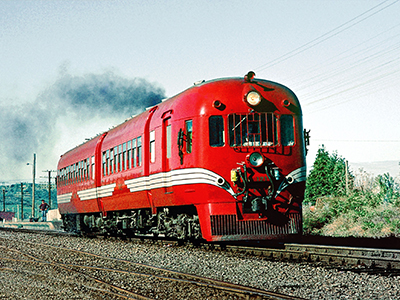
A NZ Rail Railcar
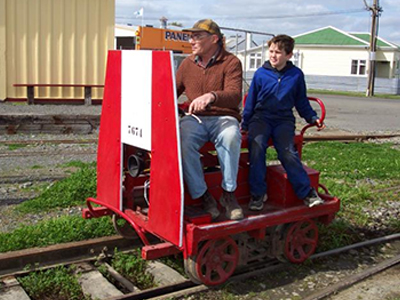
A NZ Rail Jigger
Closing Thought: While Taranaki will always be where we came from—and it has a lot more to offer these days—we don’t really see ourselves moving back permanently. It’s the place that made us who we are, even if our lives have shifted elsewhere. We will continue to return to catch up with family, friends and visit family memorials.
That said, it’s absolutely worth making the detour out west to experience it properly. The mountain, the coastline, the slower pace, and the little surprises tucked through the region all add up to something distinctively Taranaki.
We’ve been lucky over the years to travel more than many—though nowhere near as much as we still aspire to. The world is a big place, and there are so many destinations left to discover: places we haven’t seen yet, places we want to explore more thoroughly, and old favourites we can’t wait to reconnect with.
Elsewhere on Crows on the Go, you’ll find:
• more about our travels and the places we’ve been
• our thoughts (and, in some cases, tips) on those destinations
• the places that have become “special” to us
• and more!